


If you've ever watched a custom umbrella being printed-whether for a brand activation, a festival giveaway, or a small business's branded merchandise-you might've wondered about the unsung behind-the-scenes detail that keeps the whole process running: power. As a supplier of umbrella printing machines, I get this question all the time, and it's not just random curiosity. For print shop owners, startup merchandise lines, or event planners, understanding a machine's power consumption doesn't just prevent surprise utility bills-it also informs decisions about machine size, operational schedule, and even long-term cost planning. So let's break this down: what is the actual power consumption of an umbrella printing machine, and how does it fit into your broader printing setup?
First, it's important to know that umbrella printing machines aren't a one-size-fits-all piece of equipment. Their power use varies dramatically based on what type of machine you're running, how many umbrellas you process in a shift, and even the electricity standards in your location. Let's start with the most common categories of umbrella printing machines, since that's where most of the variability comes in: manual semi-automatic machines, automatic single-station machines, and multi-station rotary umbrella printers. These three are the workhorses of the industry, so they're a great starting point.
Manual semi-automatic umbrella printing machines are the entry-level option, popular for small print shops or businesses just testing custom umbrella orders. These rely on manual labor to load umbrellas onto the printing jig, align the design, and press the screen-so their power use is tied only to the small motors that control the screen frame movement and drying fans (critical for curing ink on umbrella fabric, which is usually polyester or nylon). On average, these machines draw between 1.5 and 2.5 kilowatts (kW) of power at peak operation, and around 0.3 to 0.5 kW when in idle mode. That's comparable to running a standard household oven, which is a useful benchmark for small shop owners wrapping their heads around industrial equipment power needs.
Next, automatic single-station umbrella printing machines step up efficiency by automating the alignment, screen pressing, and even small parts of ink distribution. These are a middle ground between manual and multi-station setups, ideal for businesses handling 50 to 200 umbrellas a day. Their power use jumps a bit because they have additional motors for automation, as well as a more robust curing system-usually a small infrared (IR) dryer that keeps ink from smudging. Typically, these machines draw between 3 and 4.5 kW during active printing, with idle power hovering around 0.7 to 1 kW. For context, that's similar to running a medium space heater, which makes it easy to gauge how much load it will add to your shop's electrical circuit.

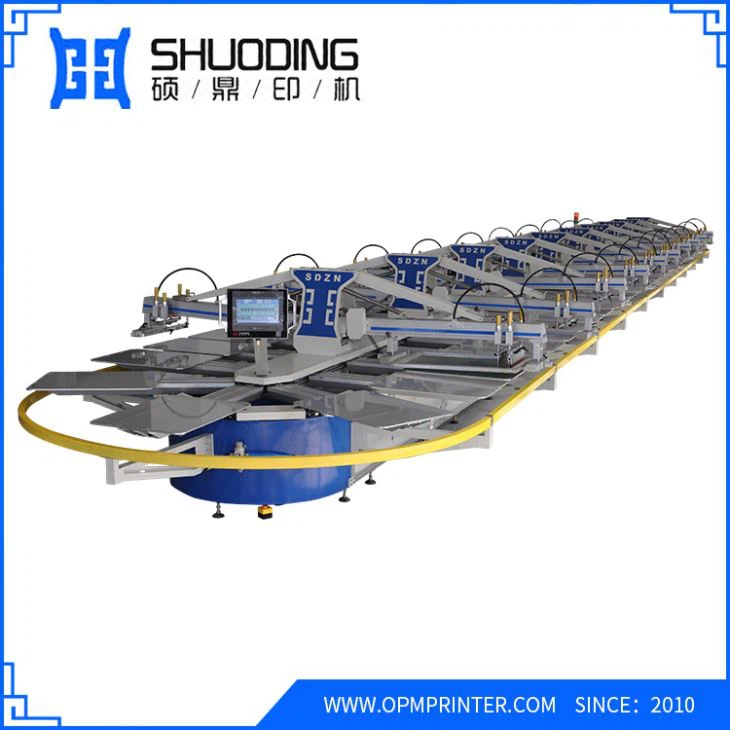
Then there are multi-station rotary umbrella printers, the high-volume workhorses for big brands or print shops doing 500+ umbrellas a day. These have 6, 8, or even 10 rotating stations, each with its own screen, so they can print multiple colors (a common requirement for branded umbrellas) in one continuous cycle. Unsurprisingly, their power demand is higher: they have large rotary motors, multiple drying systems, and sometimes even automatic loading arms to keep the line moving. Most multi-station rotary umbrella machines draw between 6 and 9 kW during full operation, with idle power around 1.2 to 1.8 kW. This is a key detail for anyone planning to install one in a shop-you'll want to check your electrical panel's capacity, because these machines often require a dedicated 240-volt circuit to avoid tripping breakers.
Now, power consumption isn't just about the machine's size. There are several hidden factors that can make a big difference in your actual monthly bill, and as a supplier, I always make sure to walk clients through these so they don't get caught off guard. First, the type of ink curing you use matters a lot. Water-based inks, which are common for lightweight umbrellas, cure at lower temperatures, so their drying fans use less power than solvent-based inks, which require higher heat to set on waterproof umbrella fabric. Some shops also use hybrid drying systems that combine forced air and IR heat, which can adjust power use depending on the fabric, cutting consumption by up to 10% compared to constant high heat.
Another big factor is operational schedule. If you run your machine 8 hours a day, 5 days a week, versus 12 hours a day for peak order periods, your total power use will obviously differ. Let's do a quick math example to make this concrete: a multi-station umbrella printer drawing 7 kW during active use, running 8 hours a day, has a daily active power draw of 56 kWh. Multiply that by 22 workdays a month, and you get 1,232 kWh of active power, plus idle power (1.5 kW for 16 hours a day) adding another 528 kWh, for a total monthly use of around 1,760 kWh. At a typical commercial electricity rate of $0.12 per kWh, that's about $211 a month just for running the machine-something every shop owner should factor into their pricing for custom umbrella orders.
You might also be wondering how umbrella printing machines compare to other common printing equipment you might already have in your shop. This is a useful benchmark because it helps you plan your overall space and energy budget. For context, automatic screen printing machines for t-shirts, which many print shops also offer (since custom apparel is a natural add-on to umbrella orders), have similar power ranges-entry-level automatic t-shirt printers hover around 2.5 kW, while multi-station models can hit 8 kW. That means a shop that offers both umbrellas and t-shirts can often run both on the same dedicated circuit, without adding too much extra load. If you're looking to expand your equipment lineup, you might even consider pairing an umbrella machine with a t-shirt printer or other gear from our range, like automatic screen printing machines for apparel or industrial cutting tools for prepping umbrella fabric.
Wait, that's a good transition to the tools that complement umbrella printing, because many print shops start with one machine and add others to their lineup as they grow. For example, once you have an umbrella printing machine, you'll likely need a digital cutting machine to cut custom fabric patches or add decorative accents to umbrellas, or even to trim excess fabric from blanks. Digital cutting machines draw between 1 and 3 kW, depending on their size, so they're a low-addition to your overall power load if you're already running a printing machine. For shops moving into apparel alongside umbrellas, an automatic screen printing machine for t-shirts lets you offer matching branded gear, and for smaller operations, manual or semi-automatic options work well too.
Another common question I get from clients is whether power consumption translates to machine durability or performance. The short answer is that it's more about matching the power needs to your shop's electrical setup than it is about a reflection of quality. A smaller entry-level machine might work for a tiny shop with a standard 120-volt circuit, while a high-volume multi-station machine needs a 240-volt supply to run smoothly. Using a machine that's not compatible with your electrical capacity can lead to frequent breakdowns, which is why I always advise clients to share their shop's electrical specs before purchasing-no sense investing in a machine that will overload your circuit or underperform.
There are also energy-efficient features to look for when shopping for an umbrella printing machine, which can cut your power costs over time. Many modern machines now have variable speed motors that adjust power output based on the printing task, instead of running at full speed constantly. Some also come with automatic shutoff for idle modes, so if the machine isn't detecting umbrellas to print, it drops to a low-power standby instead of running at full capacity. These small features can add up to 15-20% lower monthly power use, which is a big win for small to medium print shops trying to keep overhead low.
I've seen it time and again: print shop owners who skip checking power consumption end up with unexpected utility bills, broken equipment, or even safety hazards from overloaded circuits. Last year, a client of mine in Chicago ordered a high-volume rotary umbrella printer without realizing his shop only had 120-volt service. It took two weeks to upgrade his electrical panel, and in the meantime, he lost a big order he'd been quoted on. That's why I make power consumption discussions a core part of every client consultation-no one wants that kind of setback.
Beyond just the machine, it's worth thinking about the umbrella blanks you're using, too. Waterproof umbrellas, which are the most popular for branded merchandise, often require thicker inks and higher curing temperatures, which means more power use than lightweight, non-waterproof umbrellas. If you're just starting out, testing with standard non-waterproof umbrellas can help you get a sense of your machine's power consumption before you invest in higher-margin waterproof blanks that need more energy to print.
As your business grows, you might also start offering more complex designs, like multi-color prints on umbrellas. Each additional color on a multi-station machine means you're running another screen and curing process, which adds a small amount to power consumption-usually 0.5 to 1 kW per additional color, depending on the machine. So a 6-color umbrella print will use a bit more power than a 2-color print, and that's a detail to keep in mind when calculating your job costs.
If you're new to the printing industry, it can be easy to feel overwhelmed by all the specs: power use, machine size, print run capacity, and so on. That's why as a supplier, I make sure to break it down to what matters most for your needs. Whether you're a sole proprietor looking for your first umbrella printing machine, a mid-sized shop expanding into custom merchandise, or a brand looking to launch a limited-run umbrella line, the right machine will balance power consumption, efficiency, and cost to fit your operation.
We also carry a full range of complementary printing and finishing equipment that works seamlessly alongside umbrella machines. For example, if you're expanding into apparel, an automatic screen printing machine for t-shirts lets you offer matching brand gear, while a digital cutting machine helps you cut custom designs for both umbrellas and clothing. For smaller operations, we have entry-level tools like the oval t shirt screen printing machine for small-batch apparel, or the oval printing machine for specialty items like tote bags or pouches-great for adding extra revenue streams without overloading your shop's power.
At the end of the day, understanding an umbrella printing machine's power consumption is about making an informed investment, not just checking a box. It's about avoiding costly surprises, keeping your equipment running smoothly, and making sure your custom umbrella orders are profitable for your business. If you're ready to explore which umbrella printing machine fits your needs, or want more details on power specs for any of our models, feel free to reach out to our team to discuss your project requirements and shop setup.


