


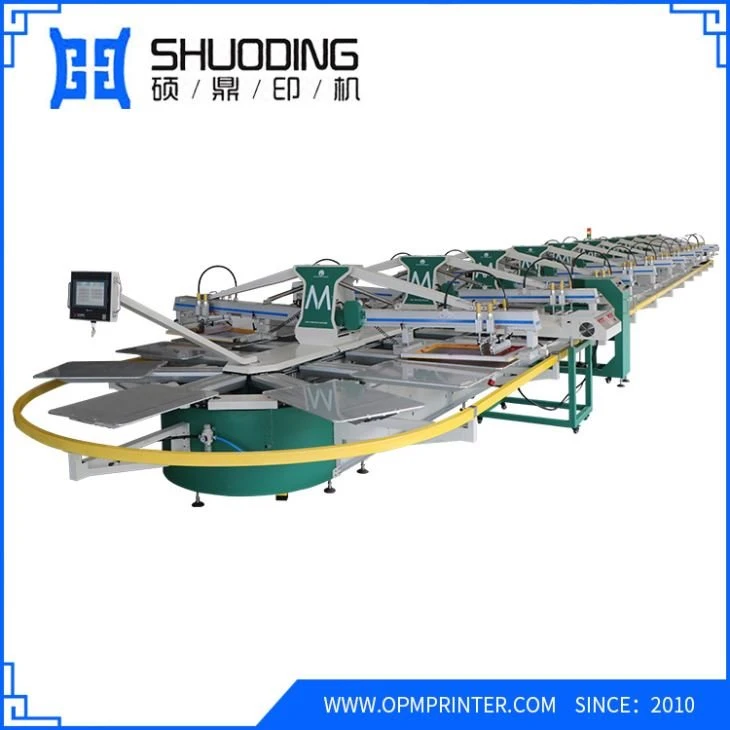
As a supplier of screen printing machines, I am well - versed in the features and operations of our various products, such as the Automatic Alignment Piece Printing Machine, Digital Clothing Printing Machine, Automatic Screen Printing Machine, Full Automatic Oval Screen Printing Machine and T Shirt Oval Screen Printing Machine. Today, I'll delve into the environmental impacts of screen printing machines to help you understand both the challenges and opportunities in the field of sustainable printing.
1. Chemical Usage and Emissions
One of the most significant environmental concerns associated with screen printing machines is the use of chemicals. Screen printing inks often contain volatile organic compounds (VOCs). VOCs are carbon - based chemicals that easily evaporate at room temperature. When these inks are used in screen printing processes, the VOCs can be released into the atmosphere.
These emissions can have several negative effects on the environment. Firstly, VOCs contribute to the formation of ground - level ozone. Ground - level ozone is a harmful air pollutant that can cause respiratory problems in humans, such as coughing, shortness of breath, and aggravated asthma. It also has detrimental effects on plants, reducing their growth and productivity by interfering with their photosynthesis process.
In addition to VOCs, some inks contain heavy metals such as lead, mercury, and cadmium. These heavy metals can contaminate soil and water sources if they are not disposed of properly. For example, during the cleaning process of screen printing machines, waste inks and cleaning solutions may be rinsed into water systems. Once in the water, heavy metals can bioaccumulate in aquatic organisms, entering the food chain and posing risks to human health when these organisms are consumed.
However, as a responsible supplier, we are constantly looking for ways to mitigate these environmental impacts. We offer a range of eco - friendly inks that have low VOC content or are even VOC - free. These inks are formulated to meet the same high - quality printing standards as traditional inks while reducing harmful emissions.
2. Energy Consumption
Screen printing machines, especially automatic and high - end models, consume a significant amount of energy. The energy is used for various functions such as powering the motors that drive the printing mechanism, heating components for drying inks, and operating the control systems.
In general, the energy used in screen printing machines comes from non - renewable sources such as coal, oil, and natural gas. The burning of these fossil fuels releases large amounts of carbon dioxide (CO₂) into the atmosphere, contributing to global warming and climate change.
To address this issue, we are investing in research and development to improve the energy efficiency of our screen printing machines. For instance, our new generation of Automatic Screen Printing Machine is designed with advanced motor control systems that reduce power consumption during idle periods. We also incorporate energy - saving drying technologies that use less energy while still ensuring fast and effective ink drying.
3. Waste Generation
The screen printing process generates different types of waste. One of the most notable is the waste screens. Screens used in screen printing have a limited lifespan and need to be replaced regularly. After a certain number of printing cycles, the mesh on the screen can become clogged with ink, or it may get damaged, making it no longer suitable for use.
Disposing of these waste screens can be a challenge. If they are sent to landfills, they can take up a significant amount of space, and the materials they are made of, such as aluminum frames and synthetic mesh, may not decompose easily.
Another source of waste is the leftover ink. During the printing process, there is often some excess ink that remains in the ink supply system or on the screens. This leftover ink can be difficult to reuse, especially if it has dried or has been contaminated.
We are actively promoting waste reduction and recycling measures. We offer screen recycling programs where customers can return their used screens to us. We then recycle the aluminum frames and attempt to reuse the mesh materials in certain applications. Regarding the leftover ink, we are working on developing better ink management systems that can minimize waste and allow for the reuse of excess ink in subsequent printing jobs.
4. Water Usage and Pollution
Water is an essential part of the screen printing process. It is used for cleaning the screens, tools, and the printing machine itself. However, the water used in these cleaning processes can become contaminated with ink, chemicals, and other printing residues.
If this contaminated water is discharged directly into water bodies without proper treatment, it can cause water pollution. The ink and chemicals in the water can reduce the oxygen levels in the water, harm aquatic life, and contaminate drinking water sources.
To combat water pollution, our screen printing machines are designed to be more water - efficient. We have developed closed - loop water systems that recycle and reuse the water used in the cleaning process. This not only reduces the amount of fresh water needed but also minimizes the discharge of contaminated water into the environment.
Opportunities for Sustainable Screen Printing
Despite the environmental challenges, there are also many opportunities for making screen printing more sustainable. The growing demand for eco - friendly products has led to the development of new technologies and materials in the screen printing industry.
For example, the use of water - based inks is becoming increasingly popular. Water - based inks have lower VOC emissions compared to solvent - based inks and are generally more biodegradable. They also offer good print quality and are suitable for a wide range of printing applications, including on textiles and paper.
In addition, the advancement of digital screen printing technologies, such as those used in our Digital Clothing Printing Machine, can reduce waste and energy consumption. Digital printing allows for more precise ink application, which means less ink is wasted. It also eliminates the need for some of the traditional screen - making processes, which can be resource - intensive.

Conclusion
In conclusion, while screen printing machines do have certain environmental impacts, including chemical emissions, energy consumption, waste generation, and water pollution, there are solutions available to mitigate these effects. As a supplier, we are committed to developing and promoting sustainable screen printing technologies and practices.
We believe that by working together with our customers, we can make screen printing more environmentally friendly. If you are interested in our range of screen printing machines, including the Automatic Alignment Piece Printing Machine, Full Automatic Oval Screen Printing Machine, and others, and want to discuss how you can adopt more sustainable printing methods, please feel free to contact us for a procurement discussion.


