


As a leading supplier of Elliptical Printing Machines, I've witnessed firsthand the intricate dance of technology and precision that goes into synchronizing the printing process. In this blog post, I'll delve into the mechanisms and strategies that make this synchronization possible, offering insights into the world of elliptical printing.
The Basics of Elliptical Printing Machines
Before we explore the synchronization process, let's briefly understand the fundamentals of elliptical printing machines. These machines are designed to print on various materials, such as textiles, plastics, and paper, using a rotating elliptical platform. The elliptical motion allows for continuous and efficient printing, making it ideal for high-volume production.
Elliptical printing machines typically consist of several key components, including the printing heads, the elliptical platform, the ink supply system, and the control unit. Each component plays a crucial role in the overall printing process, and their synchronization is essential for achieving high-quality prints.
Synchronization Mechanisms
The synchronization of an elliptical printing machine involves coordinating the movement of the printing heads, the rotation of the elliptical platform, and the supply of ink. This is achieved through a combination of mechanical, electrical, and software-based systems.
Mechanical Synchronization
Mechanical synchronization is the foundation of the printing process in an elliptical printing machine. The elliptical platform is driven by a motor, which rotates at a constant speed. The printing heads are mounted on a carriage, which moves along the elliptical path of the platform. The movement of the carriage is synchronized with the rotation of the platform using a mechanical linkage system.
This mechanical linkage ensures that the printing heads are accurately positioned over the printing surface at the right time. For example, as the platform rotates, the carriage moves forward and backward in a coordinated manner, allowing the printing heads to deposit ink evenly on the material.
Electrical Synchronization
Electrical synchronization involves the use of sensors and control circuits to monitor and adjust the movement of the printing heads and the platform. Sensors are placed at various points on the machine to detect the position, speed, and other parameters of the moving parts. The information collected by these sensors is sent to the control unit, which uses it to make real-time adjustments to the motor speed and the movement of the carriage.
For instance, if the sensors detect that the printing heads are not aligned properly with the printing surface, the control unit can send a signal to the motor to adjust the speed or position of the platform. This ensures that the printing process remains accurate and consistent.
Software Synchronization
Software synchronization plays a vital role in modern elliptical printing machines. The control unit is equipped with advanced software that manages the entire printing process, from the initial setup to the final output. The software allows the operator to set various parameters, such as the printing speed, the ink density, and the number of colors, and ensures that these parameters are maintained throughout the printing process.
In addition to controlling the basic printing parameters, the software also enables other advanced features, such as automatic registration, color management, and job queuing. These features further enhance the efficiency and accuracy of the printing process, making it easier for manufacturers to meet the demands of their customers.
Importance of Synchronization
The synchronization of an elliptical printing machine is crucial for several reasons. Firstly, it ensures the accuracy and consistency of the prints. By coordinating the movement of the printing heads and the platform, the machine can produce high-quality prints with precise colors and sharp details.
Secondly, synchronization improves the efficiency of the printing process. By reducing the time and effort required to align the printing heads and the platform, the machine can print more quickly and with fewer errors. This results in higher productivity and lower production costs for manufacturers.
Finally, synchronization enhances the reliability and durability of the machine. By minimizing the wear and tear on the moving parts, the machine can operate smoothly and efficiently for longer periods of time, reducing the need for maintenance and repairs.
Case Studies
To illustrate the importance of synchronization in elliptical printing machines, let's look at a few case studies.
Case Study 1: Textile Manufacturing
A textile manufacturer was facing challenges with the quality and consistency of their prints. The prints were often blurry and had uneven colors, which was affecting their reputation in the market. After consulting with our team, we recommended upgrading their elliptical printing machine with the latest synchronization technology.
We installed a new control unit with advanced software that allowed for precise control of the printing heads and the platform. We also upgraded the mechanical linkage system to ensure better alignment and synchronization. As a result, the manufacturer was able to achieve significant improvements in the quality and consistency of their prints. The prints were now sharp, clear, and had consistent colors, which helped them to increase their sales and improve their brand image.
Case Study 2: Plastic Packaging
A plastic packaging company was looking to increase their production capacity and improve the efficiency of their printing process. They were using an older elliptical printing machine that was prone to breakdowns and had limited synchronization capabilities. After evaluating their needs, we recommended replacing their existing machine with a new Automatic Oval Elliptical Screen Printing Machine.

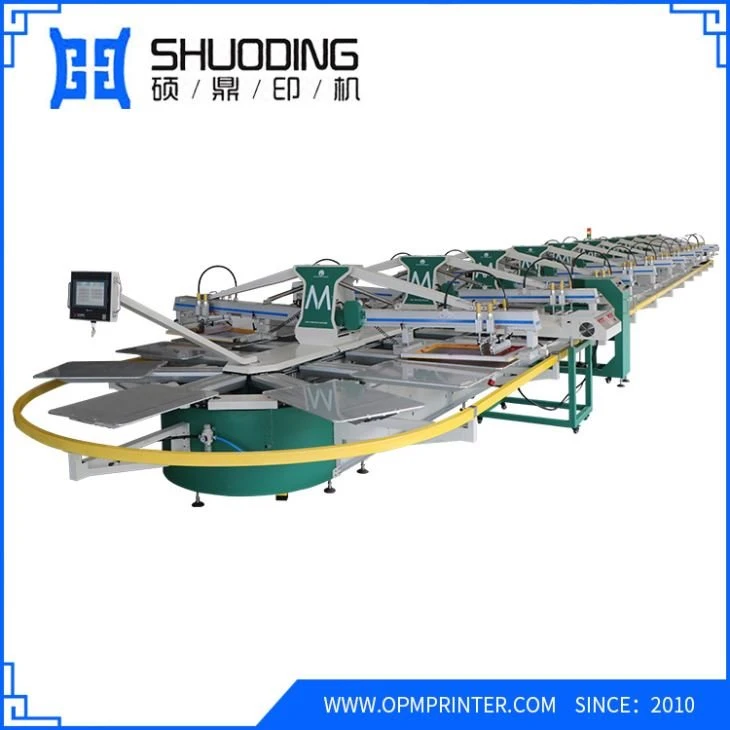
The new machine was equipped with state-of-the-art synchronization technology, including advanced sensors and control circuits. It also had a user-friendly software interface that allowed the operator to easily set and adjust the printing parameters. As a result, the company was able to increase their production capacity by 30% and reduce their production costs by 20%. The new machine also improved the quality of their prints, which helped them to win new business and expand their market share.
Contact for Purchasing and Negotiation
If you're interested in learning more about our Elliptical Printing Machines or would like to discuss your specific printing needs, please don't hesitate to contact us. Our team of experts is dedicated to providing you with the best solutions and support to help you achieve your business goals. Whether you're a small business looking to upgrade your printing equipment or a large manufacturer in need of a high-volume production solution, we have the right machine for you.


