


When venturing into the clothing printing business or looking to upgrade your existing setup, choosing the right clothing printing machine is a pivotal decision that can significantly impact the success and efficiency of your operations. As a seasoned Clothing Printing Machine supplier, I understand the complexities and considerations involved in this process. In this blog, I'll share valuable insights to help you make an informed choice tailored to your business needs.
Understanding Your Business Needs
Before diving into the world of clothing printing machines, it's essential to have a clear understanding of your business requirements. Consider the following factors:
Production Volume
Determine the number of garments you plan to print on a daily, weekly, or monthly basis. If you're a small - scale business with a low production volume, a desktop or semi - automatic machine might suffice. However, for high - volume production, you'll need an industrial - grade, fully automatic machine that can handle large quantities efficiently.
Types of Garments
The variety of clothing items you intend to print on matters. Are you mainly focusing on T - shirts, or do you also plan to print on baby clothing, umbrellas, or other specialized items? Different machines are designed to handle specific types of fabrics, sizes, and shapes. For example, a Baby Clothing Printing Machine is optimized for the delicate nature and smaller size of baby garments, while an Umbrella Printing Machine has unique features to accommodate the curved surface of umbrellas.
Design Complexity
If your business deals with intricate, multi - colored designs, you'll require a machine with high - resolution printing capabilities and advanced color management systems. Digital printing machines are often a better choice for complex designs as they can reproduce detailed graphics with precision, while screen - printing machines are more suitable for simpler, large - area prints.
Types of Clothing Printing Machines
There are several types of clothing printing machines available in the market, each with its own set of advantages and limitations. Let's take a closer look at some of the most common ones:
Screen Printing Machines
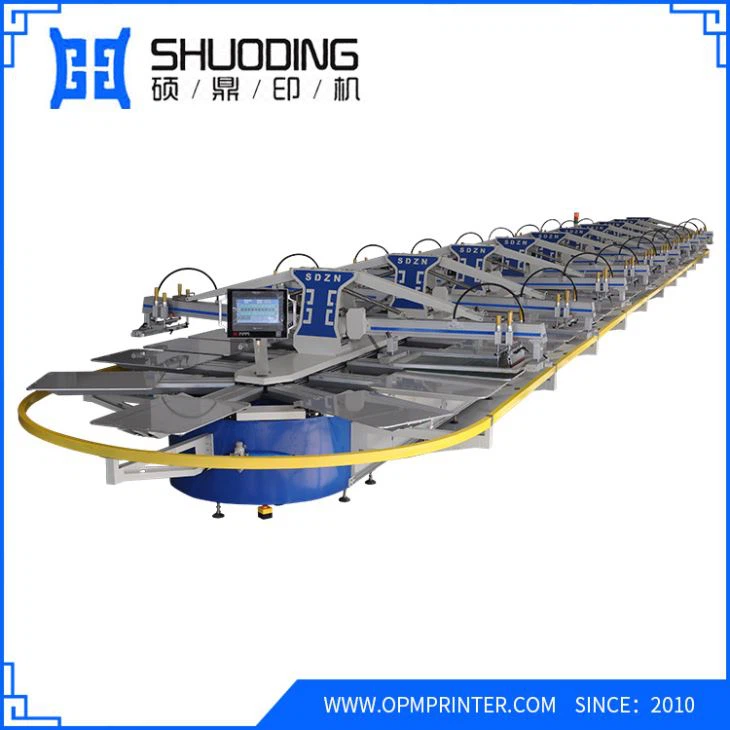
Screen printing is a traditional and widely used method in the clothing industry. It involves creating a stencil (screen) for each color in the design and then applying ink through the screen onto the garment. T Shirt Automatic Screen Printing Machine are popular for their ability to produce high - quality, long - lasting prints on a variety of fabrics. They are relatively affordable for small to medium - scale operations and can handle large production volumes. However, screen printing requires a significant setup time for each new design, making it less suitable for short - run or custom - printed orders.
Digital Printing Machines
Digital printing has revolutionized the clothing printing industry in recent years. It allows for direct printing of designs from a computer onto the garment, eliminating the need for screens. Digital printers offer several advantages, including the ability to print complex designs with high resolution, quick turnaround times for small orders, and the option to print on demand. The Elliptical Digital Printing Machine is a state - of - the - art digital printing solution that provides high - speed and accurate printing, making it ideal for businesses that value flexibility and customization. However, digital printing machines can be more expensive upfront, and the cost per print may be higher for large - volume orders.
Oval Printing Machines
Oval printing machines are a specialized type of screen - printing machine that is designed to print on curved or oval - shaped surfaces. They are commonly used for printing on items such as hats, caps, and other non - flat garments. The Oval Printing Machine offers precise printing on these challenging surfaces, ensuring consistent and high - quality results. This type of machine is a great investment for businesses that focus on printing on non - standard clothing items.
Machine Features and Quality
When evaluating different clothing printing machines, pay attention to the following features and quality aspects:
Print Quality
The most crucial factor is the quality of the prints produced. Look for machines that offer high - resolution printing, vibrant colors, and sharp details. Check the maximum print size and the accuracy of color reproduction. You can request sample prints from the supplier to assess the print quality firsthand.
Ease of Use
A user - friendly machine can significantly reduce training time and increase productivity. Consider the machine's interface, control system, and the ease of loading and unloading garments. Some machines come with intuitive software that simplifies the printing process and allows for easy design customization.
Durability and Reliability
Investing in a durable and reliable machine is essential for long - term success. Look for machines made from high - quality materials and components. Check the manufacturer's reputation for building reliable equipment and the availability of after - sales support, including maintenance and repair services.
Speed and Efficiency
The speed of the machine directly impacts your production capacity. Consider the printing speed, the time required for setup and changeovers, and the overall efficiency of the machine. Faster machines can handle larger orders in less time, increasing your profitability.
Cost Considerations
Cost is a significant factor when choosing a clothing printing machine. However, it's important to look beyond the initial purchase price and consider the total cost of ownership.
Purchase Price
The price of clothing printing machines can vary widely depending on the type, features, and brand. Set a budget based on your business needs and financial situation. Compare prices from different suppliers, but don't compromise on quality for a lower price.
Operating Costs
In addition to the purchase price, consider the ongoing operating costs, such as ink, toner, maintenance, and energy consumption. Some machines may require expensive consumables or frequent maintenance, which can add up over time.

Return on Investment (ROI)
Evaluate the potential return on investment of the machine. Consider factors such as increased production efficiency, higher - quality prints, and the ability to take on more complex or high - volume orders. A machine with a higher initial cost may offer a better ROI in the long run if it allows you to grow your business and increase your profit margins.
Technical Support and Training
When purchasing a clothing printing machine, reliable technical support and training are essential. Make sure the supplier offers comprehensive training on how to operate and maintain the machine. This will ensure that your staff can use the machine effectively and troubleshoot any issues that may arise.
Inquire about the availability of on - site support, remote assistance, and spare parts. A supplier with a responsive support team can minimize downtime and keep your production running smoothly.
Making the Decision
After considering all the factors above, you should be able to narrow down your options and choose the right clothing printing machine for your business. It's a good idea to visit trade shows or distributor showrooms to see the machines in action and talk to other users. Read customer reviews and testimonials to get an idea of the machine's performance and reliability.
Ultimately, the right machine is one that meets your business needs, fits within your budget, and provides the support and training you need to succeed.
If you're ready to take your clothing printing business to the next level, I'd be happy to assist you in finding the perfect machine. Contact us to start a discussion about your specific requirements and explore the best solutions for your business. Let's work together to achieve your printing goals!


