
Hey there! As a supplier of T-shirt printing machines, I've seen a lot of questions about the different ways to finish printed T-shirts. One of the most common debates is between air-drying and heat-setting. So, let's dive into what the difference is and how it can impact your T-shirt printing business.
Air-Drying Printed T-shirts
Air-drying is exactly what it sounds like – you let the printed ink on the T-shirt dry naturally in the air. It's a simple and low-cost method that doesn't require any special equipment. All you need is a clean, dry place to hang the T-shirts.
One of the biggest advantages of air-drying is its simplicity. You don't have to worry about setting up a heat press or dealing with the energy costs associated with running a machine. It's also a great option if you're printing on a small scale or if you're just starting out in the T-shirt printing business.
However, air-drying also has its drawbacks. The drying process can be slow, especially in humid conditions. This means you might have to wait longer to move on to the next step in your production process. Additionally, air-drying doesn't always provide the same level of durability as heat-setting. The ink might not bond as well to the fabric, which can lead to fading or cracking over time.
Heat-Setting Printed T-shirts
Heat-setting, on the other hand, involves using a machine to apply heat and pressure to the printed T-shirt. This helps to bond the ink to the fabric, making the print more durable and long-lasting. There are different types of heat-setting machines available, such as heat presses and conveyor dryers.
The main advantage of heat-setting is the durability of the print. The heat and pressure help to ensure that the ink penetrates the fabric fibers, creating a strong bond. This means the print is less likely to fade, crack, or peel, even after multiple washes. Heat-setting also allows for faster production times compared to air-drying. You can set up a conveyor dryer to continuously dry and set the prints, which is great for large-scale production.
But heat-setting also has its challenges. It requires an investment in equipment, which can be costly, especially for small businesses. There are also energy costs associated with running the machines. Additionally, if the heat and pressure are not applied correctly, it can damage the fabric or the print.
Comparing the Two Methods
So, which method is better? Well, it depends on your specific needs and circumstances. If you're printing on a small scale, have a limited budget, and don't mind waiting a bit for the prints to dry, air-drying might be the way to go. It's a simple and cost-effective option.
On the other hand, if you're looking to produce high-quality, durable prints on a large scale, heat-setting is probably the better choice. The investment in equipment and energy costs can be offset by the increased durability and faster production times.
Here's a quick comparison table to summarize the differences:
| Aspect | Air-Drying | Heat-Setting |
|---|---|---|
| Cost | Low (no equipment needed) | High (equipment and energy costs) |
| Drying Time | Slow | Fast |
| Durability | Lower | Higher |
| Production Scale | Small | Large |
Our T-shirt Printing Machines
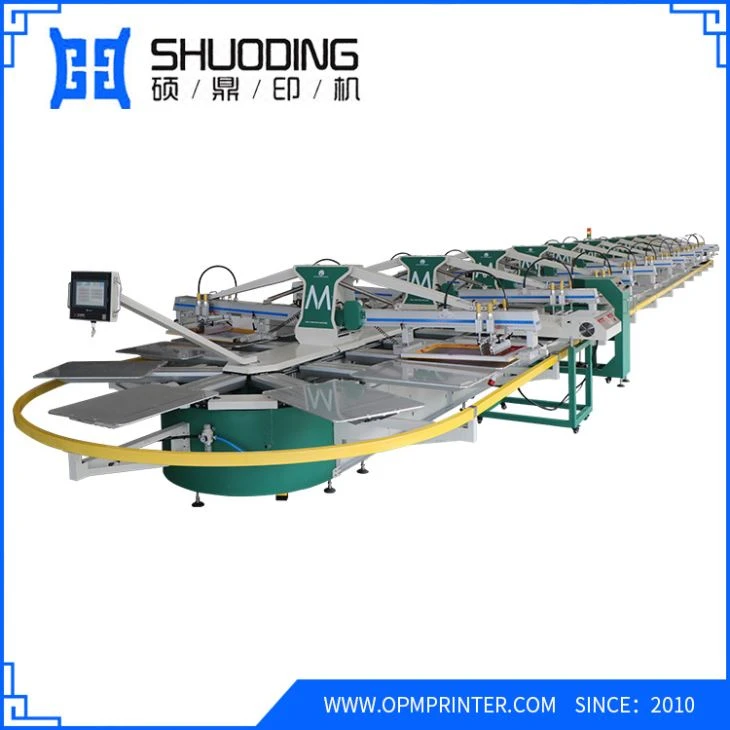
At our company, we offer a range of T-shirt printing machines that can help you with both air-drying and heat-setting processes. For example, our Oval T-Shirt Silk Screen Printing Machine is great for high-volume printing. It can produce a large number of T-shirts quickly and efficiently.
If you're interested in printing on baby clothing, we also have the Baby Clothing Printing Machine. This machine is designed to handle the delicate fabric of baby clothes and can produce high-quality prints.
And for those who need to cut out designs for their prints, our Digital Cutting Machine is a great option. It can accurately cut out various shapes and sizes, making it easier to create unique and professional-looking T-shirts.
Making the Right Choice
When it comes to choosing between air-drying and heat-setting, it's important to consider your business goals, budget, and production volume. If you're just starting out, you might want to start with air-drying and gradually invest in heat-setting equipment as your business grows.
If you have any questions or need more information about our T-shirt printing machines, don't hesitate to reach out. We're here to help you make the right choice for your business. Whether you're a small startup or a large-scale production facility, we have the solutions to meet your needs.
Conclusion
In conclusion, air-drying and heat-setting are two different methods for finishing printed T-shirts, each with its own advantages and disadvantages. By understanding the differences between the two, you can make an informed decision about which method is best for your T-shirt printing business.
If you're interested in learning more about our T-shirt printing machines or have any questions about the printing process, feel free to contact us. We're always happy to have a chat and help you find the right solutions for your business.