


Hey there! As a clothing printing machine supplier, I often get asked this question: Can a clothing printing machine print on all types of fabrics? Well, let's dive right into it and find out.
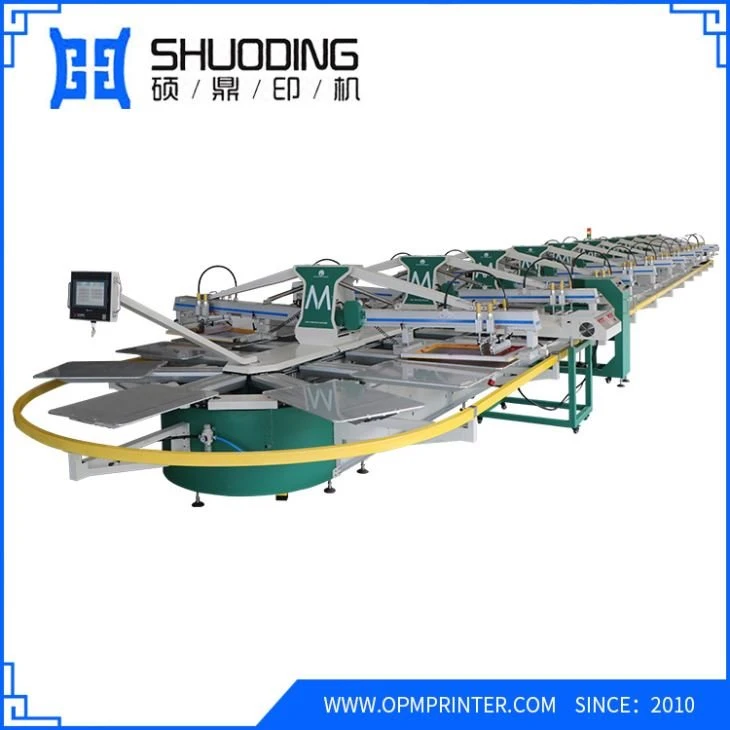
First off, it's important to understand that there are different types of clothing printing machines out there. We've got Digital Cutting Machine, Oval Automatic Screen Printing Machine, Digital Clothing Printing Machine, Automatic Oval Screen Printing Machine, and Automatic Screen Printing Machine. Each of these machines has its own capabilities and limitations when it comes to printing on various fabrics.
Natural Fabrics
Let's start with natural fabrics like cotton, linen, and silk. These are some of the most common fabrics used in the clothing industry, and most clothing printing machines can handle them pretty well.
Cotton is a favorite for printing because it's absorbent and can hold ink well. Whether you're using a screen printing machine or a digital one, you can achieve vibrant and long - lasting prints on cotton. Silk, on the other hand, is a bit more delicate. Digital printing machines are often a better choice for silk as they apply ink more gently, reducing the risk of damaging the fabric. Linen is also printable, but it has a looser weave, which might affect the sharpness of the print. However, with the right settings on your machine, you can still get great results.
Synthetic Fabrics
Synthetic fabrics such as polyester, nylon, and spandex present a different set of challenges. Polyester, for instance, is a hydrophobic fabric, which means it doesn't absorb ink like natural fabrics do. Screen printing on polyester can be tricky because the ink might not adhere properly. But digital printing machines that use specialized inks can work wonders on polyester. These inks are designed to bond with the synthetic fibers, resulting in a sharp and durable print.
Nylon is similar to polyester in terms of its properties. It's strong and resistant to wear, but getting ink to stick can be difficult. Again, digital printing with the right inks is the way to go. Spandex is a stretchy fabric, and printing on it requires a machine that can handle the movement and flexibility of the material. Some advanced digital clothing printing machines are capable of printing on spandex while maintaining the fabric's stretchability.
Blended Fabrics
Blended fabrics, which are a combination of natural and synthetic fibers, add another layer of complexity. For example, a cotton - polyester blend has the absorbency of cotton and the durability of polyester. Printing on these blends requires a balance. You need an ink that can bond with both types of fibers. Screen printing might work, but digital printing often offers more flexibility and better color control when dealing with blended fabrics.
Specialized Fabrics
There are also specialized fabrics like leather, denim, and fleece. Printing on leather is a whole different ballgame. You can't use the same inks or methods as you would on regular fabrics. Some advanced digital clothing printing machines can print on leather, but they require special leather - compatible inks. Denim has a thick and textured surface, which can make it challenging for the ink to penetrate evenly. Screen printing is a popular choice for denim, but digital printing can also be used with the right pre - treatment. Fleece is soft and fluffy, and the ink needs to be able to adhere to the fibers without getting lost in the fluff. Digital printing machines with high - resolution capabilities are often better suited for fleece.
Factors Affecting Printing on Different Fabrics
Apart from the type of fabric, there are other factors that affect the printing process. The quality of the ink is crucial. Using low - quality ink might result in faded or blotchy prints, especially on certain fabrics. The printing settings on the machine also play a role. You might need to adjust the temperature, pressure, and speed depending on the fabric you're working with.

Tips for Printing on Various Fabrics
If you're planning to print on different types of fabrics, here are some tips. First, always test the machine and ink on a small piece of the fabric before doing a full - scale print. This will help you identify any issues and make necessary adjustments. Second, make sure to follow the manufacturer's instructions for both the machine and the ink. Third, consider using fabric pre - treatments. These can improve the ink's adhesion and the overall quality of the print.
In conclusion, while a clothing printing machine can't print on all types of fabrics with the same level of ease and quality, with the right combination of machine, ink, and printing techniques, you can achieve great results on a wide range of materials. Whether you're working with natural fabrics, synthetics, blends, or specialized materials, there's a way to make your prints look amazing.
If you're in the market for a clothing printing machine or have any questions about printing on different fabrics, don't hesitate to reach out. We're here to help you find the perfect solution for your printing needs. Whether you need a Digital Cutting Machine, an Oval Automatic Screen Printing Machine, or any other type of clothing printing equipment, we've got you covered. Let's start a conversation and see how we can make your printing projects a success!


